
Reigniting B2B Lead Generation Through Virtual Events
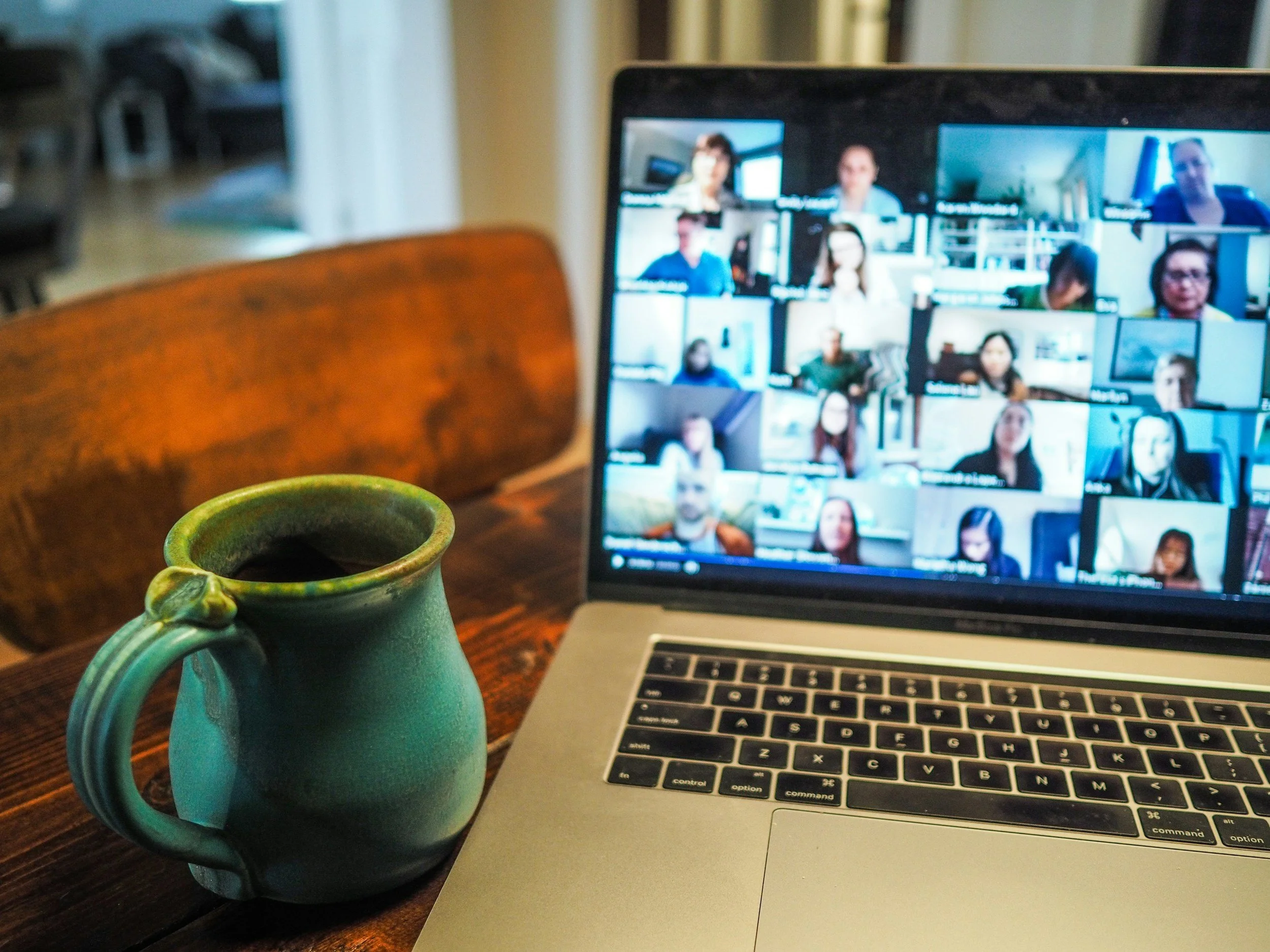
Filling a virtual room with the right people is a strategy, not an accident.
Case Study: Series A Women's Health Startup
Client: Series A Women's Health Startup
Services: Campaign Strategy, Outbound Marketing, Event Promotion, Social Media
Note: This project was completed prior to JAMworks, during my time at a previous company.
The Situation
B2B inboxes are crowded and decision-makers have learned to tune out cold messages. Even a well-run outbound motion eventually hits a ceiling. Cold email books the first meeting but struggles to generate the kind of sustained engagement needed to move serious accounts through a longer funnel. Most growth-stage startups reach a point where they need a channel that offers genuine value before the ask, something that brings the right prospects into a conversation they actually want to be in.
Virtual events fill that gap in a way that outbound alone cannot. According to research cited by Cvent, 73% of B2B marketers and sales leaders say webinars are the best way to generate high-quality leads, and 89% say webinars outperformed other channels in creating qualified leads. The average cost per lead from a webinar runs around $72, compared to more than $800 at trade shows and physical events. Live attendance drives the results too, with live webinars accounting for 91.3% of leads generated through virtual events compared to just 9.7% from on-demand options.
The client, a Series A women's health startup, had already built a solid outbound motion and maxed out what cold email alone could do. They had the subject matter expertise, the customer stories, and the community to make virtual events work. What they needed was a deliberate campaign strategy to drive qualified attendance and turn those events into a repeatable lead generation channel. That is where we came in.
“Outbound gets you in the door. Virtual events get you the conversation.”
The Strategy
We designed and executed a multi-channel campaign to drive qualified attendance to the client's virtual events. The approach combined targeted outbound outreach with social amplification to reach prospects across multiple touchpoints.
Building the Audience
The foundation was a targeted outbound campaign reaching over 1,000 ICP prospects via email and LinkedIn. Every message was written to speak directly to the specific pain points of the audience, with the virtual event positioned as a genuine opportunity to learn rather than a thinly veiled sales pitch.
Prospects who did not respond to the first touch received follow-up sequences timed to build urgency without becoming noise.
Amplifying Through Social
Alongside the outbound campaign, we promoted each event across social media to extend reach beyond the direct outreach list. The goal was to create a sense of momentum around each event so that prospects saw it coming from multiple directions.
Regular and Special Campaigns
The engagement ran across both regular monthly campaigns for new member acquisition and special campaigns built around events that needed a larger or more targeted audience. Each campaign was treated as its own project with its own messaging strategy and audience segmentation.
Delivering Value in the Room
The client ran the events themselves, bringing their expertise and customer stories to every session. Our job was to make sure the right people were in the room and paying attention when it mattered.
The Results
1,000+
ICP prospects contacted across the engagement
20+
MQLs engaged during each live event
Dozens
social posts generated organically from each event
Dozens
of social posts generated organically from each event
Research shows that companies combining content hubs with webinars see contact requests go up by 37%, demo requests increase by 44%, and requests for pricing quotes jump by 83%. The client saw exactly this kind of downstream effect, with prospects who attended events moving through the funnel at a higher rate than those reached through outbound alone.
The live engagement was particularly strong. Attendees were not passive. They asked questions, joined discussions, and opened conversations that outbound had not been able to start. That is what a well-filled virtual event does that email cannot.
What This Project Shows
Outbound gets you in the door. Virtual events get you the conversation. The two work best together, and the best results come when the campaign bringing people to the event is as well-crafted as the event itself.
Getting 20+ qualified prospects to show up live, month after month, requires more than a calendar invite. It requires targeted messaging, well-timed follow-up, and a clear articulation of why this specific event is worth an hour of a busy person's time.
Research from 2025 shows that 51% of content marketers say webinars produced their best marketing results of the year. The strategy works. The execution is what separates a full room from an empty one.
If you want to see how JAM approaches B2B marketing strategy, or want to see more of our work, the proof is there. And if you are ready to talk about what this could look like for your company, get in touch.
FAQ
What is the best way to generate B2B leads through webinars?
The most effective approach combines targeted outbound outreach with social promotion to drive qualified registrations. Outbound gets the right people invited directly. Social creates ambient awareness that reinforces the invitation. Together they produce a higher quality audience than either channel can on its own.
How many leads can a B2B webinar generate?
It depends on the size of the audience and the quality of the event. A well-promoted webinar with a relevant topic and a targeted invite list consistently delivers 20 or more marketing qualified leads per session. The key variable is how carefully the audience is selected before the event.
How do you get people to actually show up to a virtual event?
Attendance comes down to two things: relevance and follow-up. The event needs to offer something the audience genuinely wants, and the outreach reminding them to show up needs to be persistent without being irritating. A well-timed sequence of two to three touchpoints before the event makes a significant difference in attendance rates.
Is outbound email still effective for B2B lead generation in 2025?
Yes, but it works better as part of a broader strategy than as a standalone channel. Outbound email is most effective when it is driving prospects toward a high-value touchpoint like a virtual event rather than trying to convert cold prospects directly into sales conversations.
What is the difference between an MQL and a webinar attendee?
A webinar attendee showed up. An MQL showed up, engaged, and demonstrated intent. Attending live, asking questions, and participating in the chat are all signals that a prospect is actively evaluating their options. Those are the leads worth following up with immediately.
How long does a virtual event lead generation campaign take to show results?
Results start appearing within the first event cycle. By the second and third month, patterns become clear: which messaging drives the highest quality registrations, which event topics generate the most engagement, and which follow-up sequences produce the most downstream activity. Three months is enough to build a repeatable playbook.
Ready to build a lead generation strategy that works?